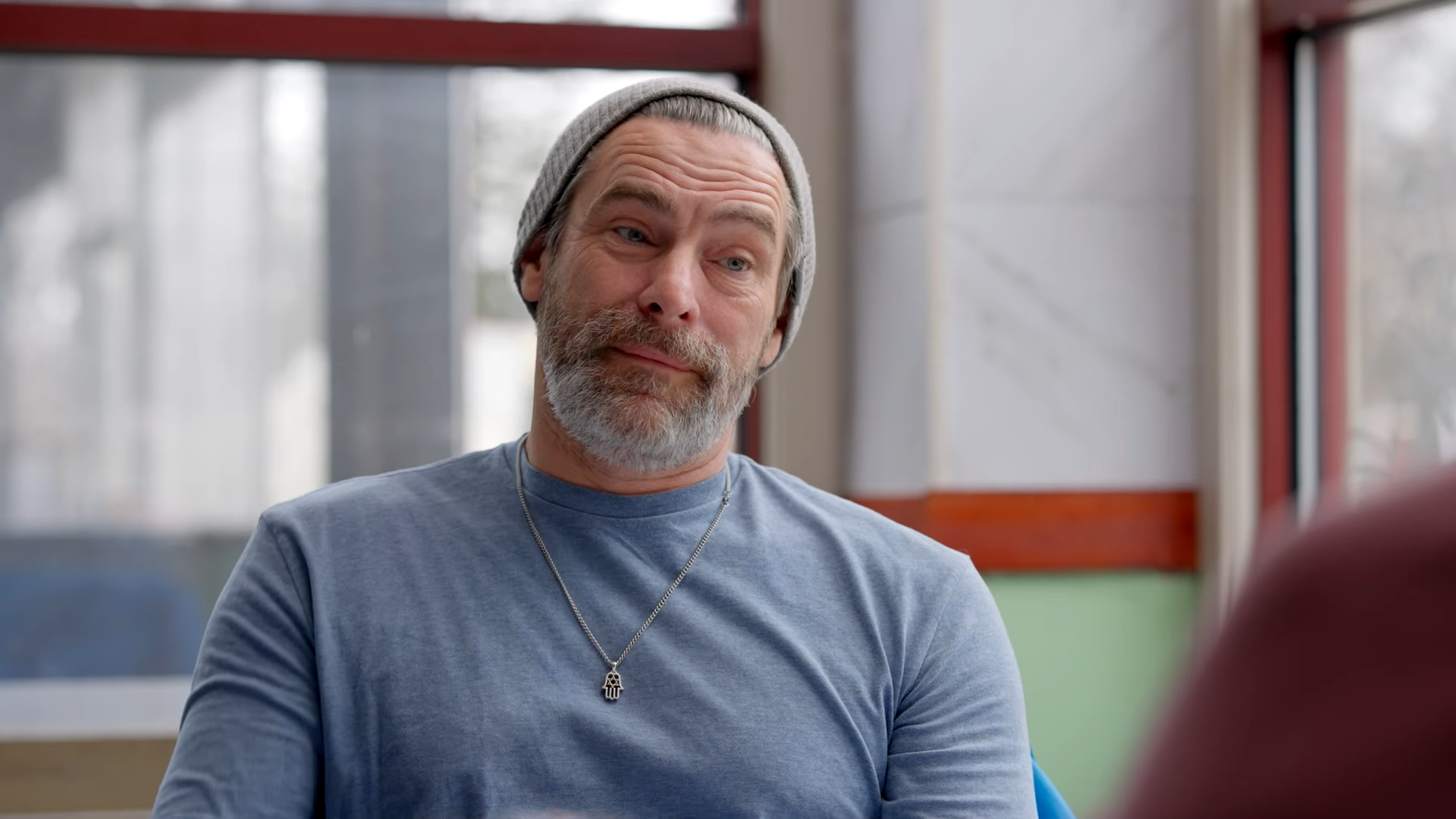
About Frank
Purpose
This is the story of a man who crossed the distance between violence and service, extremism and empathy, destruction and faith—and has never stopped showing up for others.
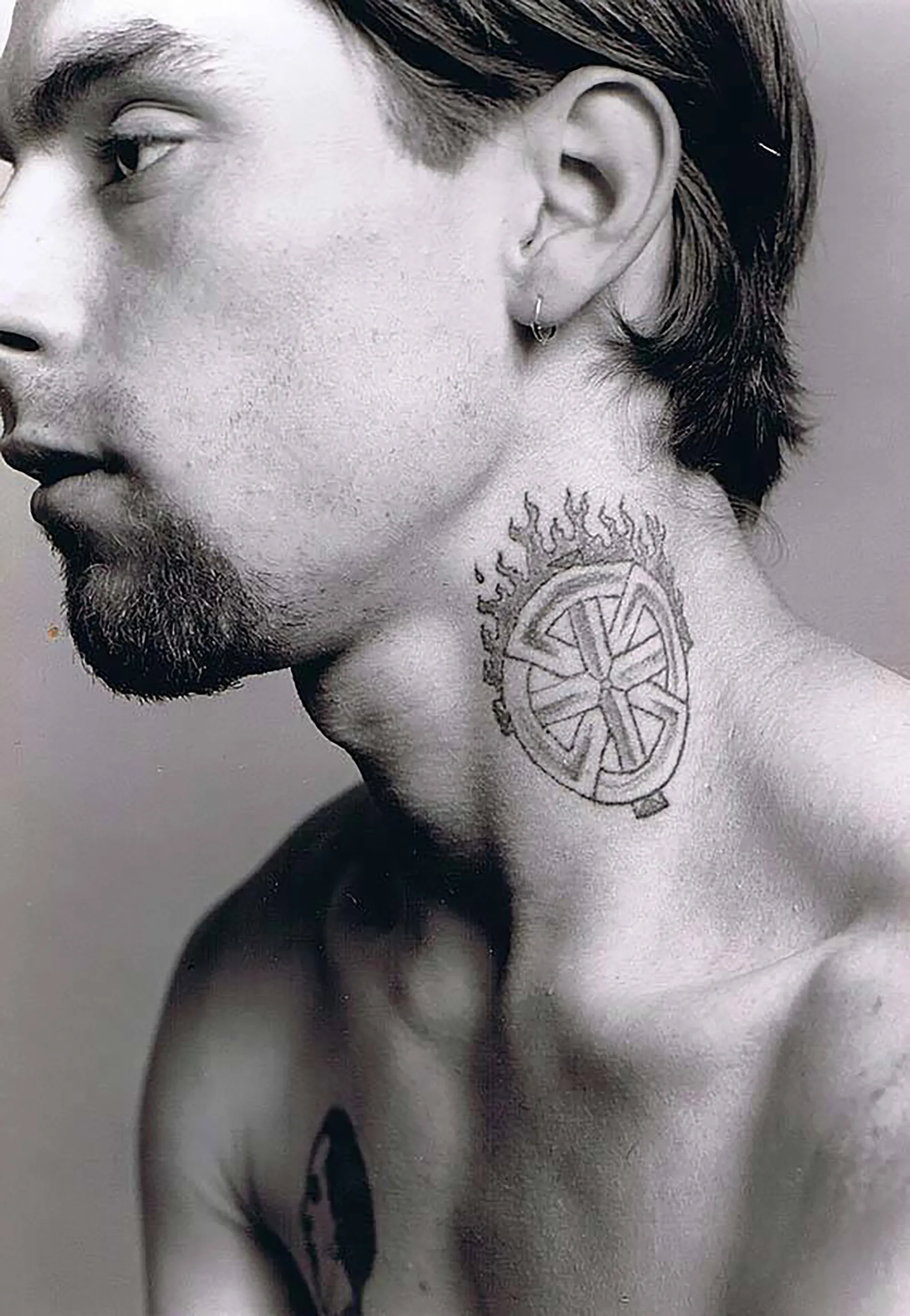
Frank Meeink grew up in South Philadelphia in a household defined by violence and chaos. By his teenage years, with addiction already taking hold and nowhere to belong, he was recruited into the white supremacist movement.
He did not dabble. He committed. He became one of the most violent and dedicated neo-Nazis in America, recruiting others, organizing cells, and spreading an ideology of hate with everything he had.
Then came prison.
It was on the yard, playing sports alongside Black men, Latino men, men of every background he had been taught to despise, that something cracked open in Frank. Not overnight. Not cleanly. But the seeds of his transformation were planted in those games, in those moments of shared humanity his ideology had told him were impossible.
After his release, the only work he could find was moving antique furniture for a man in New Jersey. There was just one problem. The man was Jewish. For someone who had tattooed his hatred onto his body and his worldview, this was not a comfortable arrangement. But Frank was desperate, and desperation has a way of cutting through ideology. He said yes.
What followed was not a dramatic moment of revelation. It was something quieter and more powerful: proximity. Day after day, hauling furniture alongside a man who was supposed to be his enemy, Frank came face to face with his own lies. That relationship became the lynchpin of his transformation and the beginning of a long walk toward something he could not yet name.


In 1996, in partnership with the Philadelphia Department of Recreation and the Philadelphia Flyers, Frank co-founded Harmony Through Hockey, bringing together kids from different races and ethnic backgrounds to dismantle segregation through sport, rooted in what he had lived on the prison yard. The program ran until 2000.
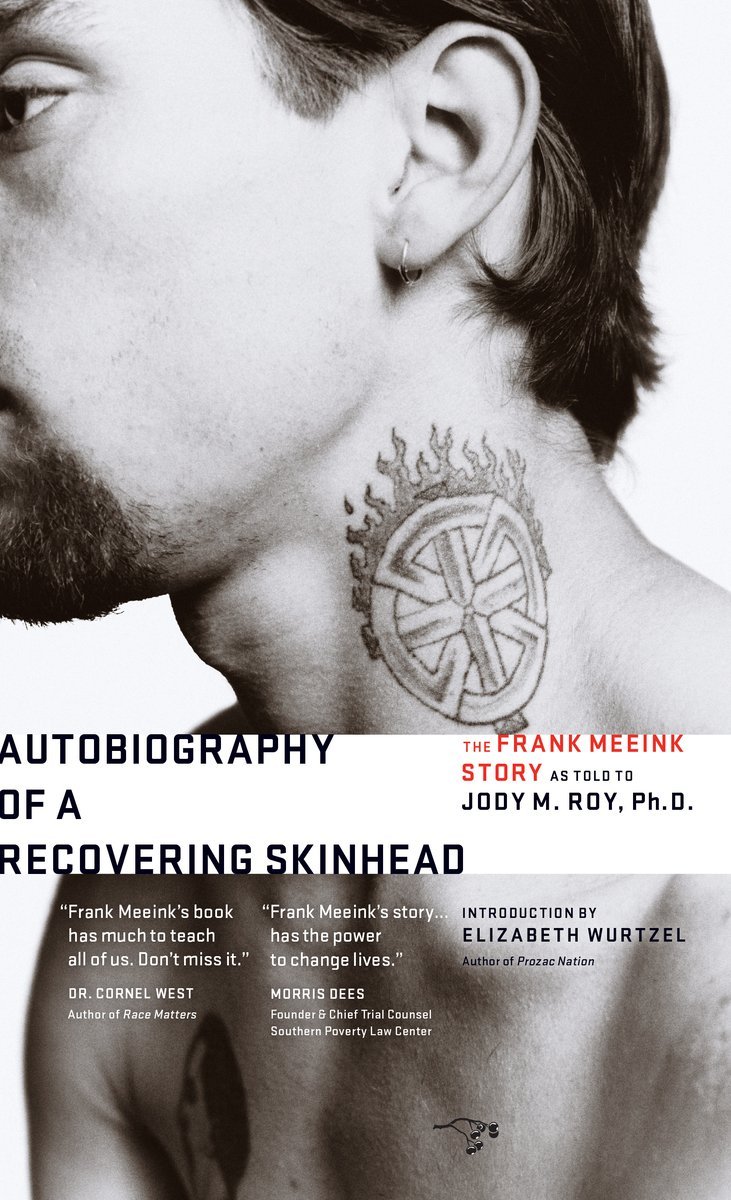
His memoir, "Autobiography of a Recovering Skinhead," written with scholar Dr. Jody Roy and endorsed by Dr. Cornel West, became a landmark account of radicalization, addiction, and the long road back to humanity. It remains essential reading for anyone seeking to understand how hate takes hold and how it can be undone.
In 2011, Frank was invited by Google to participate in SAVE, the Summit Against Violent Extremism, held in Ireland. Google brought together former violent extremists from across the ideological spectrum to discuss combating online radicalization.
It was there that Frank and his colleagues founded Life After Hate, a national 501(c)(3) nonprofit dedicated to helping individuals disengage from violent extremist movements. As co-founder and lead interventionist from 2011 to 2018, Frank worked one-on-one with people still inside the movement, using his own lived experience as the primary tool for building trust and opening a door out.
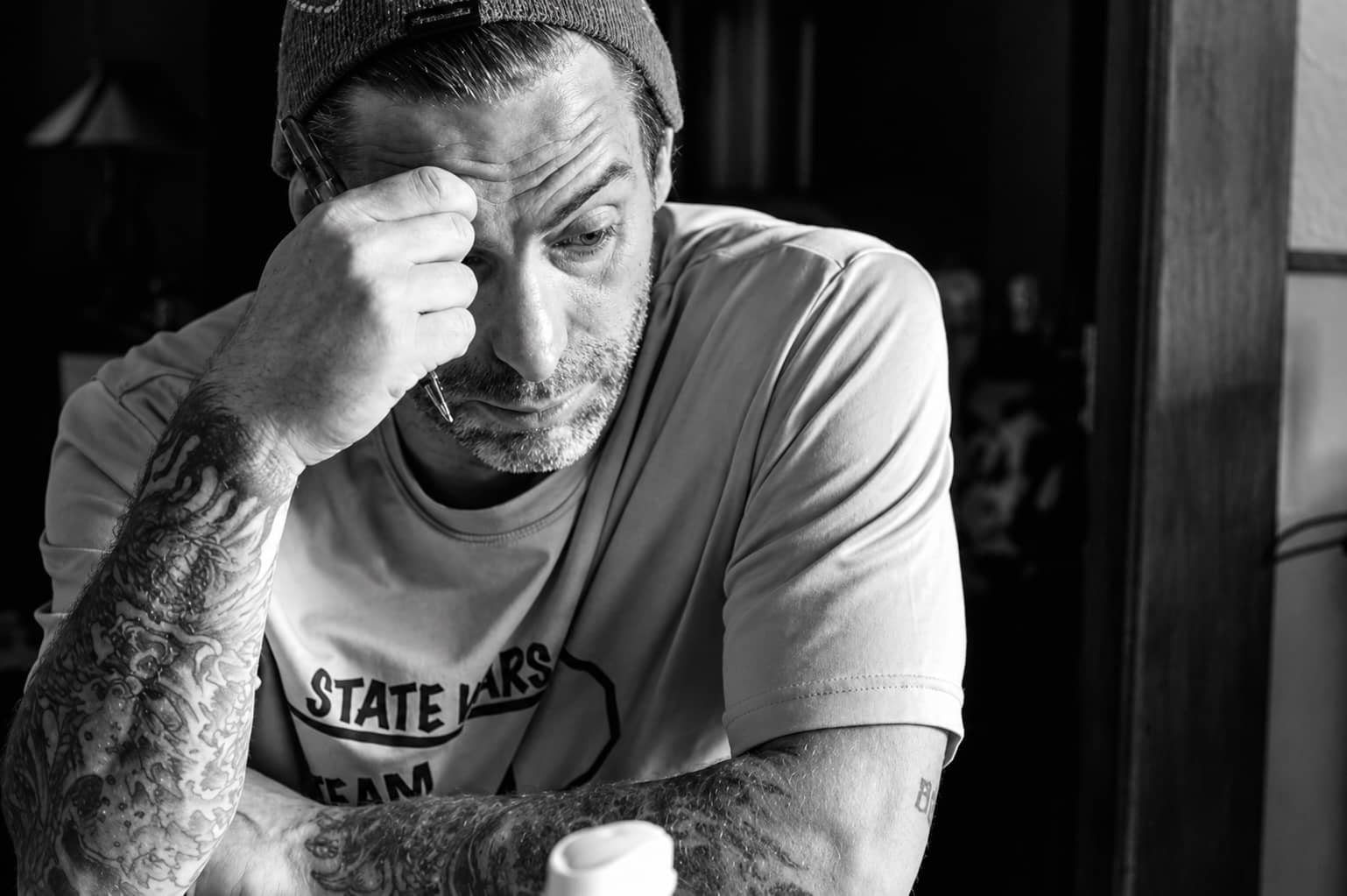
Frank has taken his story everywhere. From inner city community centers to university lecture halls, from law enforcement trainings to international human rights forums, he speaks to audiences of every background about radicalization, transformation, and what it actually takes to build a more just society.
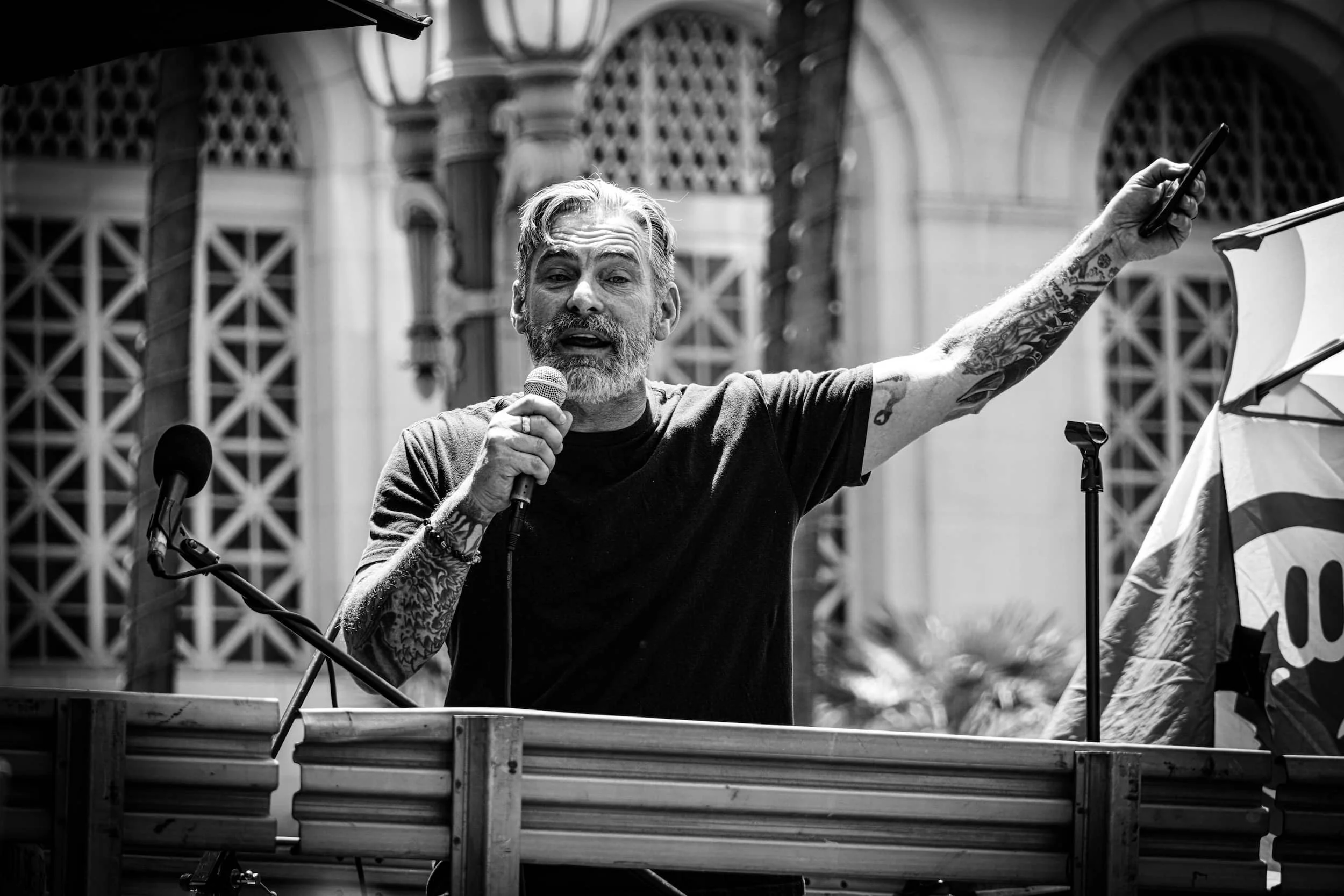
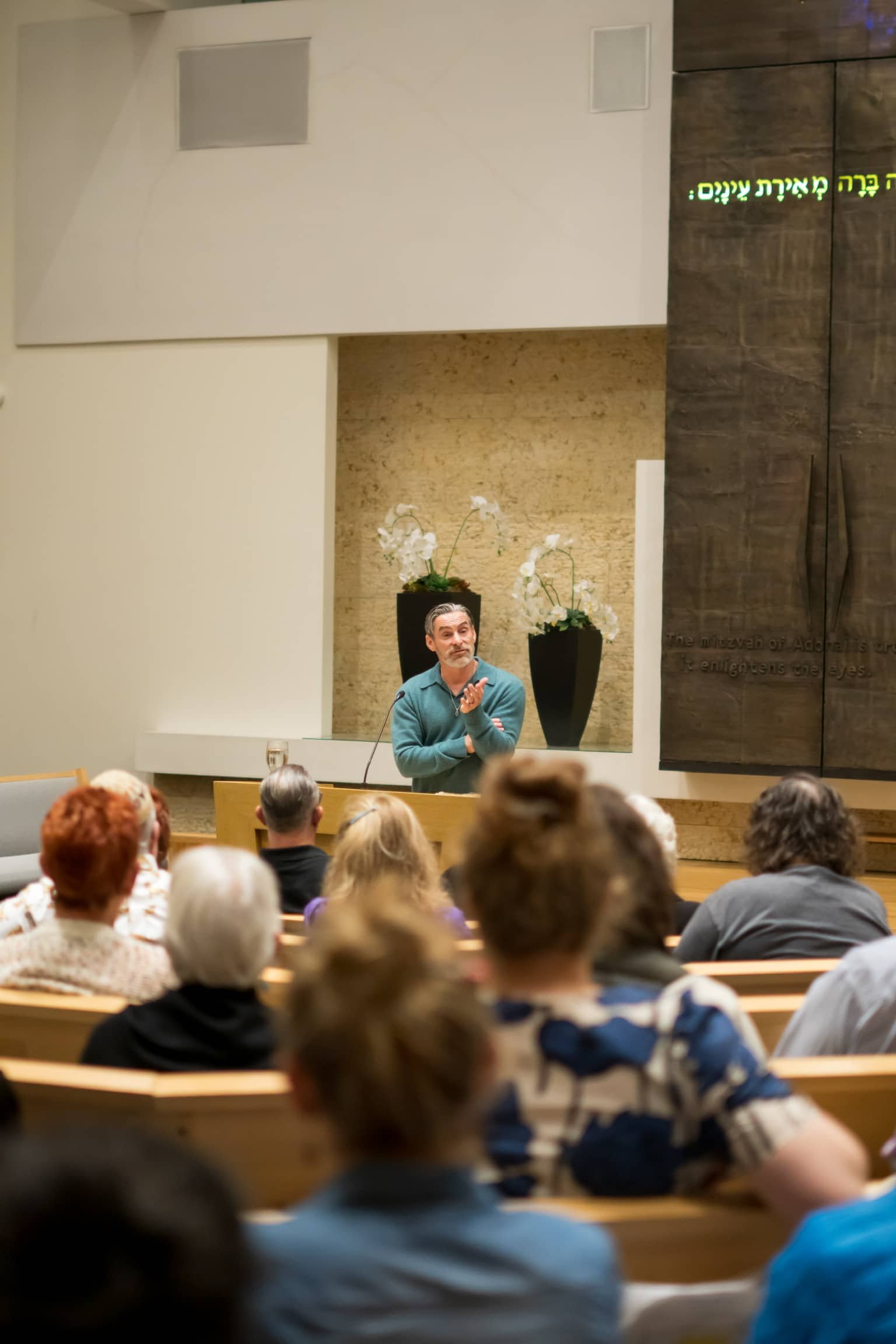
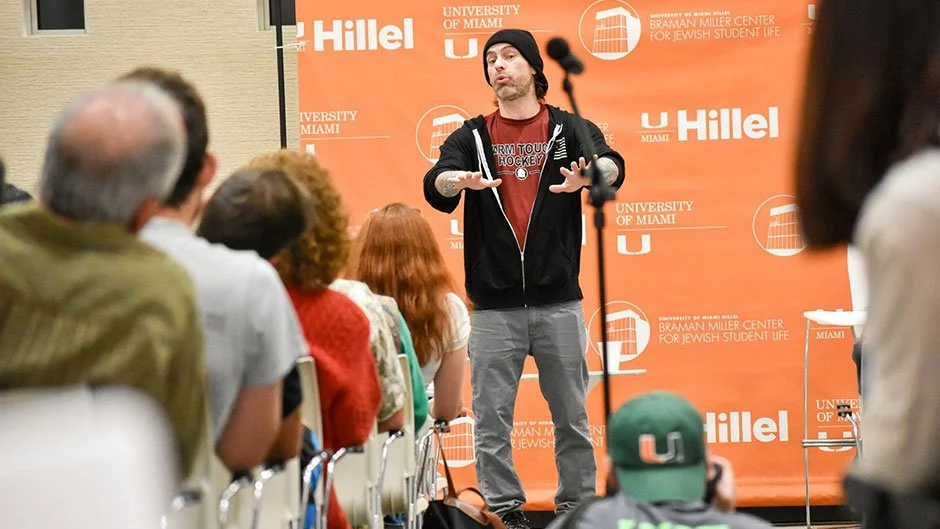
He does not deliver polished presentations from a safe distance. He shows up, tells the truth, and trusts that truth to do its work. His message is rooted in civil rights and police reform, in the urgent belief that bias in a system is not an abstraction but a daily reality with real victims.

He has been the subject of countless documentaries including work by Steven Spielberg, appeared as an expert on CNN and MSNBC, and is cited by leading scholars including Dr. Michael Kimmel, author of "Healing From Hate."
He served as a consultant to Jodi Picoult for her bestselling novel "Small Great Things," was a longtime staple speaker for the ADL, and in 2016 received their National Civil Rights Hero of the Year award. He served as opening speaker at the PODER Reconciliation Forum in Washington D.C. honoring Bishop Desmond Tutu, and in 2020 testified before the Congressional Subcommittee on Civil Liberties and Civil Rights about white supremacy in policing.
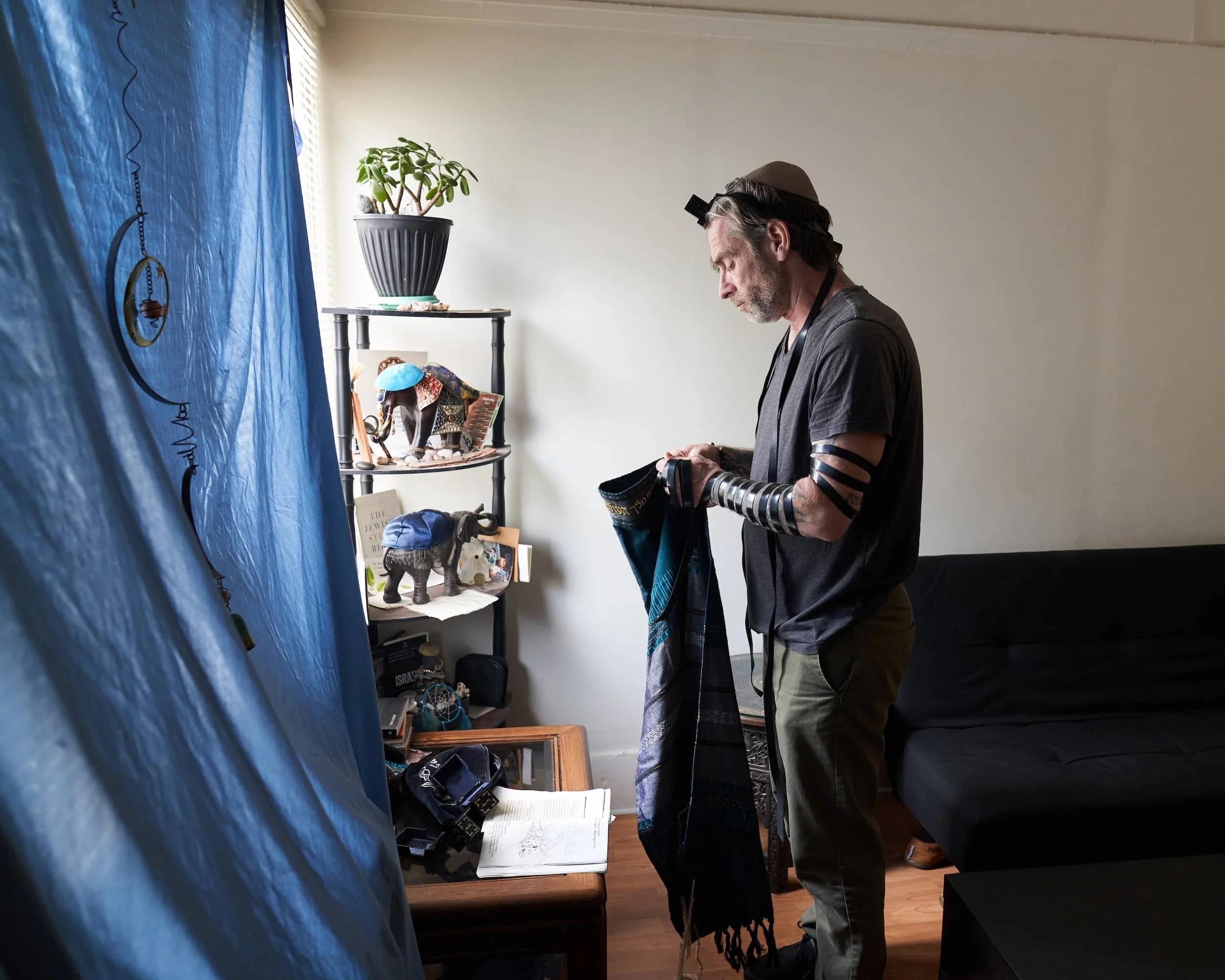
Throughout all of it, Frank was fighting his own battles. Addiction had been his companion since childhood, and recovery was not a single moment but a grinding, ongoing practice.
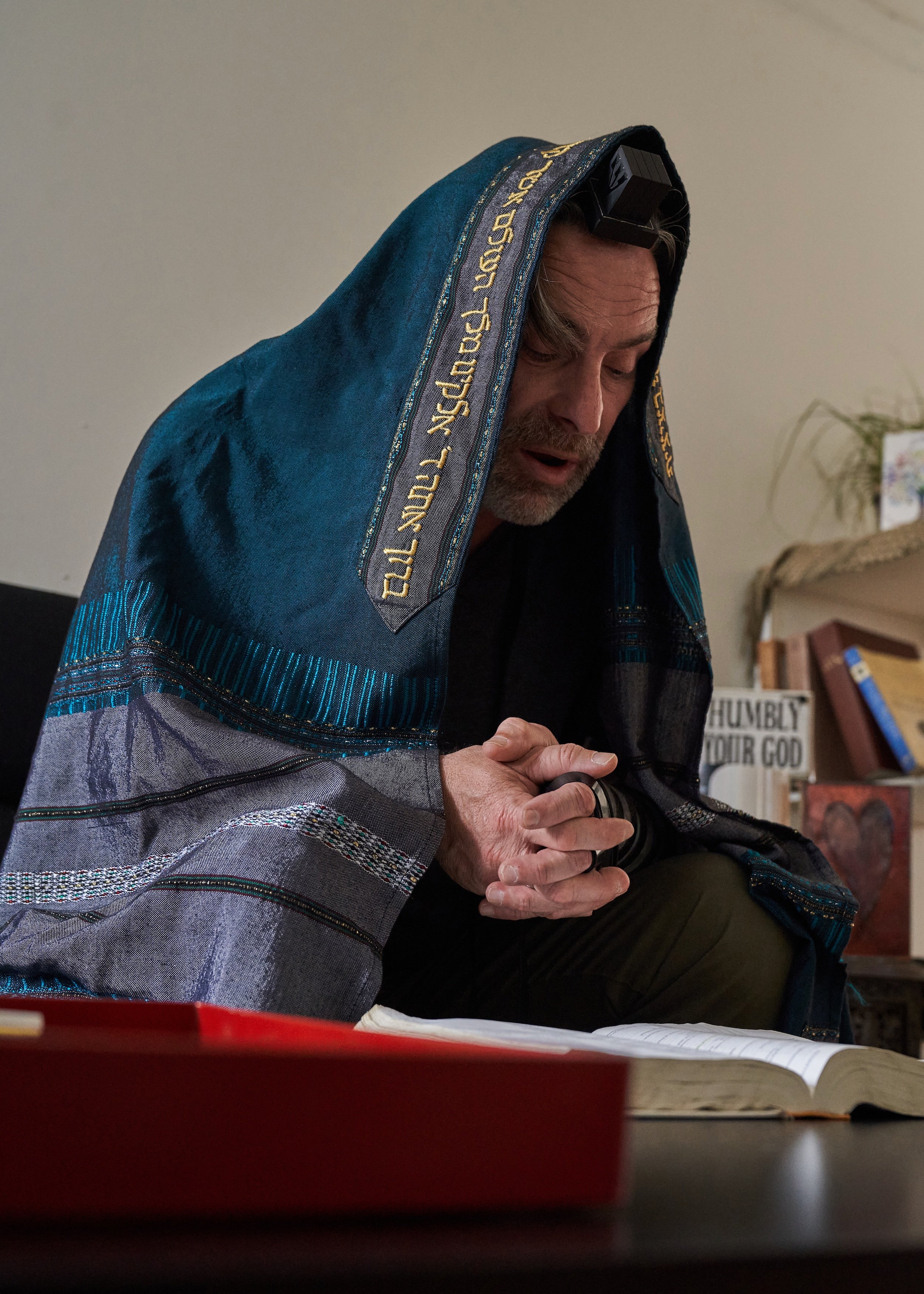
It was in that practice that Frank found his way to a relationship with God that he describes as central to everything he is today. Through the Jewish commitment to discernment, education, and humility, he found a framework for what it means to be a good servant to his creator, to live in open and honest communication with the God that he understands. That spiritual grounding did not soften him. It clarified him.
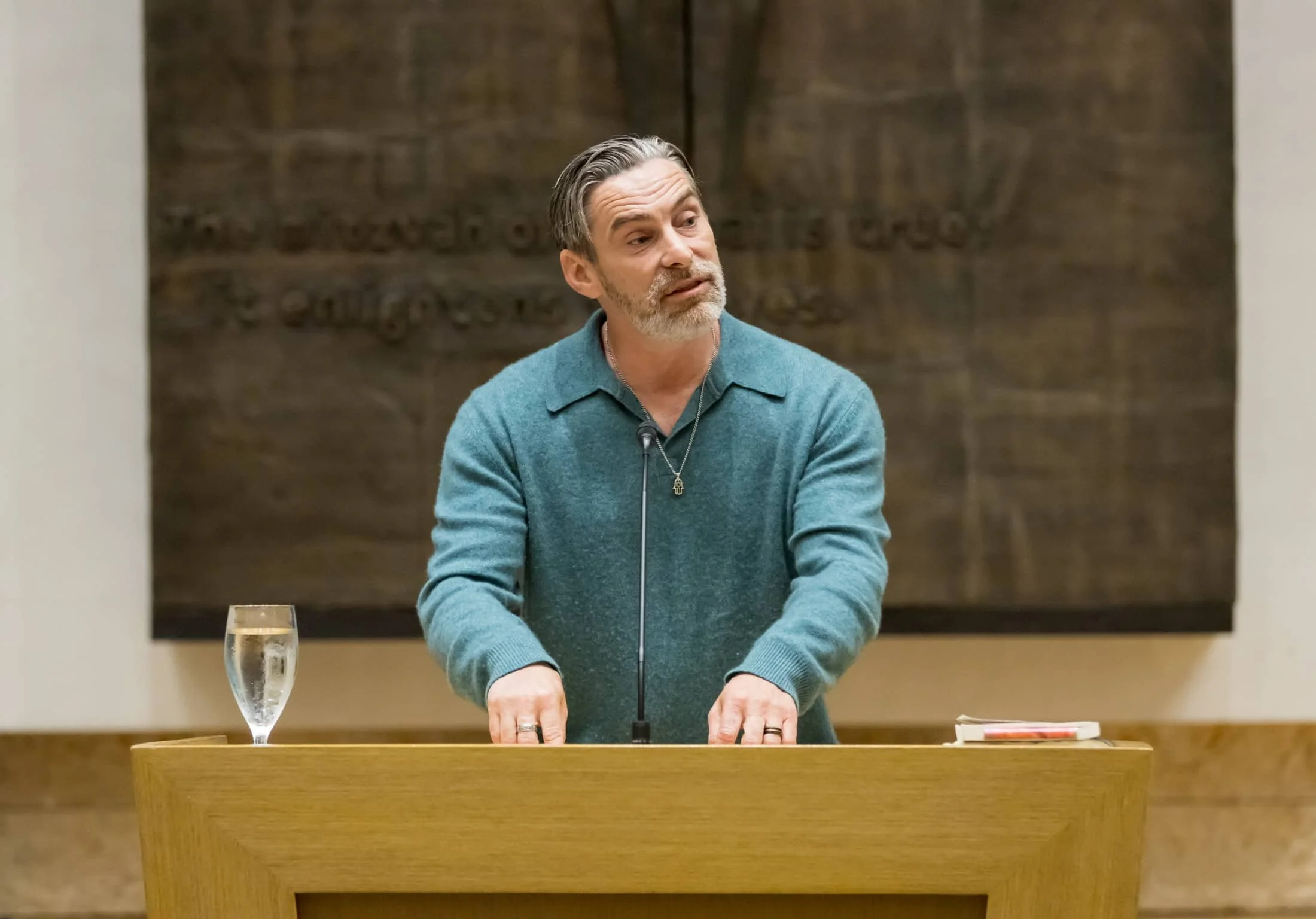
From 2024 to 2026, Frank served at SHARE in Los Angeles as both a United Mental Health Promoter and a Peer Support Specialist with the Apple Compassion Project, deployed undercover inside Apple retail stores on the frontlines of the mental health crisis on Skid Row.
Rather than having security remove or arrest people in crisis, Frank approached them as a fellow customer, offering kindness, compassion, and peer support rooted in lived experience. Today, alongside his work as a peer support specialist and drug and alcohol counselor, he is pursuing certification as a Jewish chaplain, with his sights set on working in recovery houses as a spiritual guide and counselor.
Frank Meeink has spent his life crossing lines that most people will never get close to. The line between hate and love. Between destruction and service. Between a person who terrorized communities and one who shows up for them. He is not done crossing lines. He is just getting started.
And if you want to find him, you know where to look. Get yourself to a protest in downtown Los Angeles. Frank is on the front lines. He always has been.